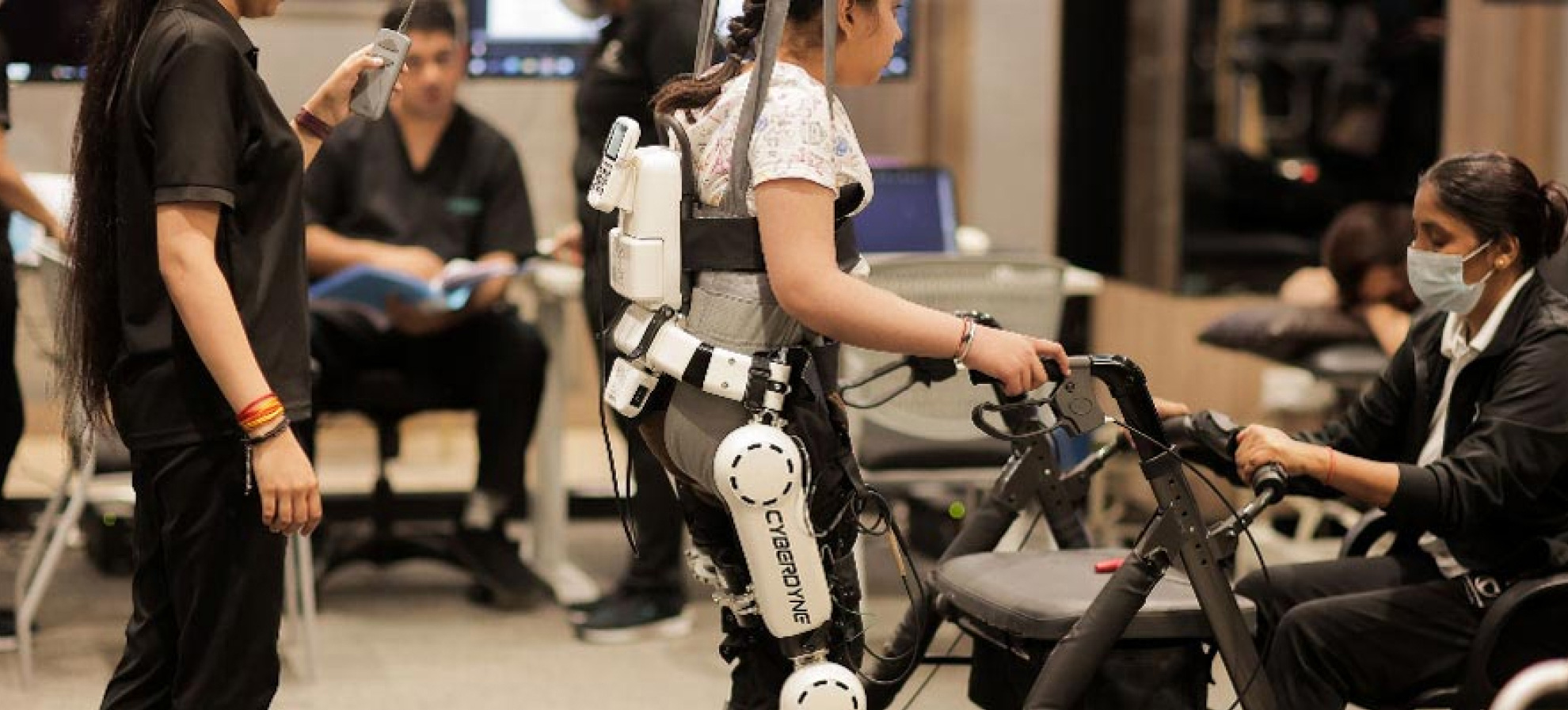
Millions of patients worldwide struggle every year with the long and laborious process of rehabilitation after such disorders.
Book an Appointment
Call Us +91 9958011121Cerebral palsy is a neurological disorder characterized by interference with speech, language, and the ability to communicate through gestures. Cerebral palsy symptoms can be mild to severe, depending on the severity of cerebral palsy. These challenges may stem from motor, intellectual, and sensory deficits. Although speech issues are common in cerebral palsy, not all children suffering from this disorder experience them. According to research, more than 75% of children with cerebral palsy experience speech and language disorders.
Healthcare providers known as speech therapists are qualified to provide planned speech and language therapy. They are also known as language and speech pathologists. These professionals evaluate patients, make diagnoses, and provide treatment for such communication deficits. They are the right specialists who can treat aphasia (language disorder), dyspraxia (motor disorder), and dysphagia (swallowing disorder) with planned exercise regimens designed to enhance breathing, swallowing, and speech.
The speech and language therapy (SLT) programs are recommended for such kids to enhance their communication abilities and empower them to participate in social interactions on their own. As per evidence, SLT (speech language therapy) for children with cerebral palsy has shown highly positive trends.
Read Also: Best Treatment for Cerebral Palsy in Bangalore
In patients with cerebral palsy (CP), several types of developmental delays affecting motor skills can manifest early in life. The signs and symptoms of cerebral palsy vary depending on the type, but one commonly observed challenge is difficulty with speech. Disorders in sound production and the organization of words into sentences may result from muscle spasms, limited range of motion, and slow movements. Children with cerebral palsy often have impaired oral motor skills.
When we speak, a complex network of muscles in the face, neck, and throat works together to help us express ourselves. Cerebral palsy may also affect the parts of the brain responsible for speech regulation. These changes can lead to issues with sentence construction and word selection. A child with cerebral palsy may struggle to express themselves, which can lead to difficulties with socialization later in life.
Read Also: How Neuro Rehab Can Help Children with Cerebral Palsy & Autism
| Speech & Language Disorder | Description |
| Articulation disorders | Poor oral-motor control and muscle weakness in the face and throat affect the ability to make sounds and form syllables. |
| Fluency disorders | Interruptions in the flow of speech, such as stuttering. |
| Voice disorders | Irregular pitch, poor volume control, and altered voice quality make interaction difficult. |
| Dysarthria | Impaired movement of muscles in the tongue, lips, and vocal cords, resulting in slurred or mumbled speech and a slowed rate of speech. |
| Dysphagia | Difficulty swallowing or digesting food, leading to drooling, coughing, gagging, and regurgitation. |
| Aphasia | Damage to language-related areas of the brain makes it difficult to speak, understand communication, read, and write. |
| Receptive struggles | Difficulty processing and understanding language, making it hard to derive meaning from communication. |
| Expressive disorders | Difficulty putting words together to express ideas clearly. |
| Cognitive-communication disorders | Communication disorders pose challenges in areas such as perception, memory, problem-solving, and organization. |
Read Also: Revolutionary Cerebral Palsy Treatments in Bangalore: Leading Therapies and Expert Care
The speech therapy for kids with cerebral palsy involves the following activities:
| Type of Exercise | Description |
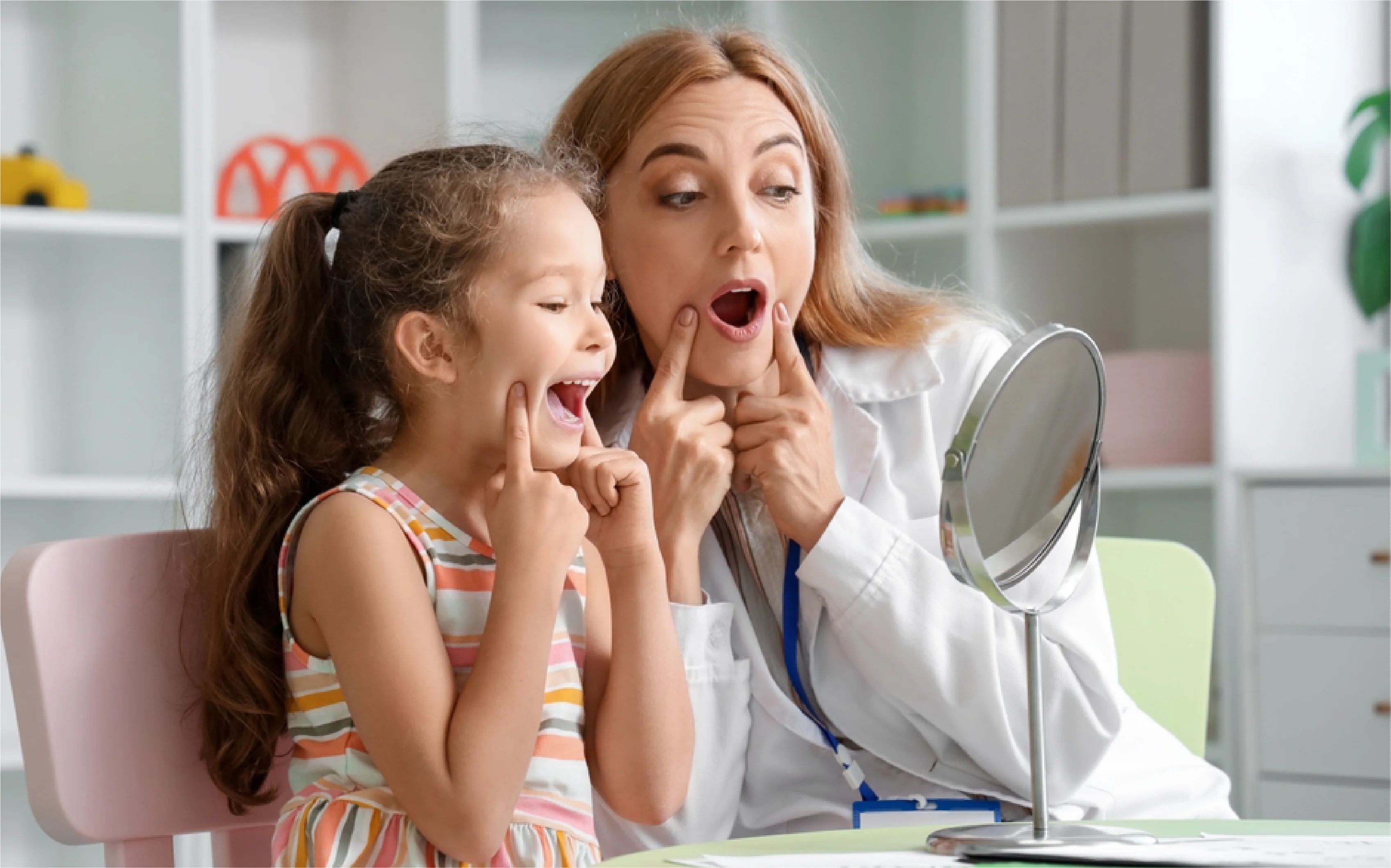
| Articulation therapy | As part of the program, children may practice their oral motor skills by making sounds in front of a mirror and by utilizing language cards to practice certain sounds. |
| Blowing exercises | To improve breathing, the child is asked to blow bubbles or blow a whistle, in which both the muscles of the mouth and abdomen are used. |
| Breathing exercises | For enhanced diaphragmatic strength, the child is asked to breathe in and out. |
| Jaw exercises | To strengthen jaw muscles, the child is advised to eat foods like celery, apples, and carrots that require chewing. Another technique is to practice opening and shutting your mouth using the jaw muscles while the therapist holds the chin. |
| Language and word association | The flashcards are given to practice the words and sounds such as “sock” and “shoe,” “toothbrush” and “toothpaste,” and “bat” and “ball.” |
| Lip exercises | Exercises for the lips include squeezing them around a lollipop to enhance strength and pursing them to enhance lip extension. |
| Swallowing exercises | The child is made to practice an “effortful swallow” by collecting liquid or saliva and swallowing in one gulp to reduce airway entry. The child is taught to perform the “Masako maneuver” by holding the tongue gently between the teeth while swallowing to strengthen throat muscles. |
Read Also: How Physiotherapy Helps In Cerebral Palsy Treatment: A Complete Guide
Walk Again is an advanced neurorehabilitation center that provides specialized neurorehabilitation therapies to treat impairments associated with a wide range of neurological disorders, including speech issues related to cerebral palsy. Several leading speech therapists of India are associated with the center to deliver effective speech therapy using advanced equipment and evidence-based techniques, resulting in high success rates and meaningful improvements. We are here to support you at every step of your child’s journey toward better speech and improved communication while overcoming the challenges of cerebral palsy.
Read Also: Effective Speech Therapy Techniques for Stroke Patients
A birth injury can potentially lead to cerebral palsy in your child, which may subsequently result in developmental delays, including speech disorders. Speech therapy interventions for children diagnosed with cerebral palsy are implementable right from infancy. Early intervention in speech therapy is crucial for facilitating the development of essential neurological skills that may be less adaptable later in life. Early speech therapy can facilitate a child's skill development, thereby potentially mitigating the need for learning new habits or techniques for daily activities at a later stage.
Get personalized advice for your child from the top speech therapists in India at Walk Again. Book your consultation now!
Q1: Is speech therapy necessary for all children with cerebral palsy?
A: Not necessarily. Although speech and language impairments are prevalent in cerebral palsy, not all children are impacted. A speech therapist can evaluate the child and suggest therapy solely when it is deemed necessary.
Q2: At what age is it appropriate to initiate speech therapy?
A: Speech therapy can be commenced at an early stage, sometimes as early as infancy—if delays are identified. Early intervention often results in improved outcomes, since a child's brain exhibits greater plasticity during the initial years.
Q3: What issues does speech therapy aim to address in children with cerebral palsy?
A: Speech therapy can assist with enhancing speech understanding, language development, comprehension of instructions, expressive communication, nourishment and swallowing difficulties, and the utilization of alternative communication strategies when speech is limited.