Your pain has persisted for over 3 months and is still refusing to go away; this can be a sign of chronic pain. It's time to consult your doctor for the right chronic pain management.
What is Chronic Pain? The Science
Chronic pain is pain that lasts for over 3 months. You may experience the pain all the time, or it may come and go. It can affect any part of your body and has multiple causes.
Common Types of Chronic Pain
There are many; some of the common types are:
- Arthritis or joint pain, such as knee pain
- Back pain, mainly lower back pain
- Cancer pain
- Fibromyalgia (widespread body pain)
- Headaches, including migraines
- Neck pain
- Neuropathic (nerve) pain
The Key Characteristics of Chronic Pain
- Persist for more than 3 months.
- Persistent or recurrent in nature.
- Interfere with all the dimensions of days, such as sleep, mood, relationships, and work.
- The constant pain can be due to injury, ongoing conditions (arthritis, cancer), inflammation, or nerve disorders. Sometimes there is no clear answer.
The Science Behind This Persistent Pain | Step by Step
Here are the three main components:
1. The Nerves
- Pain starts in special nerves known as nociceptors at the injury site.
- These nerves send pain messages up the spinal cord to the brain using chemicals such as glutamate and substance P.
- With chronic pain, these nerves become extra sensitive. This is known as peripheral sensitization.
- Additionally, your immune cells release inflammatory chemicals such as TNFα, IL-1β, and prostaglandins, making nerves easier to activate.
- As a result, even a mild touch or movement may cause pain.
2. The Brain
- These repeated pain signals remove the NMDA receptors' magnesium brakes.
- Nerve cells in your spinal cord and brain get overexcited.
- Brain regions involved in pain, emotion, and fear become more active.
- Over time, this causes structural changes, and pain becomes linked to emotions, stress, and mood.
3. Long-term Pain Pathways
- Certain genes, like c-fos activate in response to neural activity to enable plasticity, causing the brain to learn pain and keep producing it even after healing.
- Then pain becomes a nervous system problem, leading to chronic pain.
Note: This mechanism is simplified for your understanding. For better understanding, contact your healthcare professional only.
How Chronic Pain Affects the Nervous System
It rewires the nervous system via neuroplasticity. This makes the nervous system hypersensitive by lowering pain thresholds and amplifying signals. This way the brain learns the pain and keeps producing it even after healing.
What Persistent Pain May Feel Like
It can feel like the following symptoms:
- Aching
- Burning
- Squeezing
- Stiffness
- Stinging
- Throbbing
- Shooting
What Happens in the Body During Chronic Pain
It can affect you in more than one way. Here are some of the general changes that you can experience.
A. Neurological Changes
- Nerves become overactive and send amplified pain signals to your brain.
- Brain’s pain processing center changes.
- Your Immune system also contributes to inflammation and constant pain.
B. Physical and Emotional Impact
- Generalized anxiety disorder
- Major depressive disorder
- Fatigue, or feeling overly tired most of the time
- Insomnia
- Trouble falling asleep
- Systemic stress
- Withdrawal from activities and social circles to combat pain
- Irritability or mood swings.
From Where Chronic Pain Stems From
There are multiple causes and trigger factors, but sometimes the root cause remains unknown.
A. Common Cause
- Osteoarthritis
- Fibromyalgia
- Chronic back pain
- Joint problems
- Muscle strains
- Nerve damage because of diabetes, shingles, spinal injuries, etc.
- Autoimmune diseases (rheumatoid arthritis, IBD)
- Infections
- Past Injuries
- Surgery
- Chronic diseases such as endometriosis, cancer, migraines, etc.
B. Trigger or Contributing Factors
- Stress, anxiety, depression
- Obesity (extra joint pressure)
- Smoking
- Lack of physical activity
- Poor diet
- Poor sleep quality
- Predisposition to conditions such as migraines or rheumatoid arthritis
The Diagnosis and Comprehensive Tests
- Your doctor will ask you about the symptoms and location of the pain.
- Blood and urine tests
- EMG (electromyography) to test muscle activity
- Reflex and balance tests
- Spinal fluid tests
- Imaging tests, such as X-rays and MRI
- Nerve conduction studies to evaluate if your nerves react properly
Management and Treatment to Address Chronic Pain
Your doctor may recommend one approach or a combination of various chronic pain management techniques. The treatment depends on the reason behind the pain and several other individual factors.
Here is the multimodal approach.
- Pharmacological treatment involves prescribing drugs based on the medical condition.
- Physical therapy, such as exercise, movement, hydrotherapy, etc.
- Mind-Body techniques such as meditation, deep breathing, yoga, biofeedback, etc.
- Electrical Nerve Stimulation (TENS) device.
- Rehabilitation methods for chronic pain include cognitive behavioral therapy (CBT), exercise, manual therapy, hot/cold, stress management, etc.
Can Chronic Pain Be Cured?
Currently, there is no permanent cure for the persistent pain. However, with the multidisciplinary approach, including rehabilitation techniques and methods prescribed by the doctor, you can better manage it.
Chronic Pain Rehab Costs
The cost may vary based on the reason, settings, duration, type of rehabilitation center, personal preferences, city, and advanced technologies used.
Here is the simple cost breakdown:
- Physiotherapy: ₹500 - ₹2,000 per session; a course might cost ₹10,000 - ₹25,000.
- Outpatient Rehab Centers: Around ₹15,000 - ₹40,000 for long-term packages.
- Affordable Inpatient Centers: ₹25,000 - ₹60,000 per month.
- Mid-Range Inpatient Centers: ₹60,000 - ₹1,50,000+ per month (better amenities).
- Luxury Inpatient Centers: ₹20 Lakhs - ₹50 Lakhs+ (high-end services, private rooms).
- Intensive, residential programs in India, cost can be ₹3 Lakh - ₹6 Lakh monthly.
Best Chronic Pain Rehabilitation Center in India | Walk Again Rehab
If you are looking for the best center to manage your persistent pain, then Walk Again is the perfect destination for you. We offer a comprehensive and multimodal approach plan to you to help you manage the constant pain.
We offer gait training, therapeutic exercises, electrical nerve stimulation, mind-body techniques, CBT, education, and complementary modalities to reduce pain and improve body function.
We provide support for various conditions, including:
What People Say About Us
You can watch these video testimonials of individuals who have overcome major challenges through Walk Again’s personalized multimodal rehab approach.
We are known for our:
- Experienced Multidisciplinary Team
- Advanced Technology
- Personalized Treatment
- Visible Functional Improvements
- Patient-Centered Approach
The Modern Technology at Walk Again Rehab
- Neuro-Robotics
- Neuromodulation
- Neuroregeneration
- Neuroplasticity
- Neuro Rehab Programs
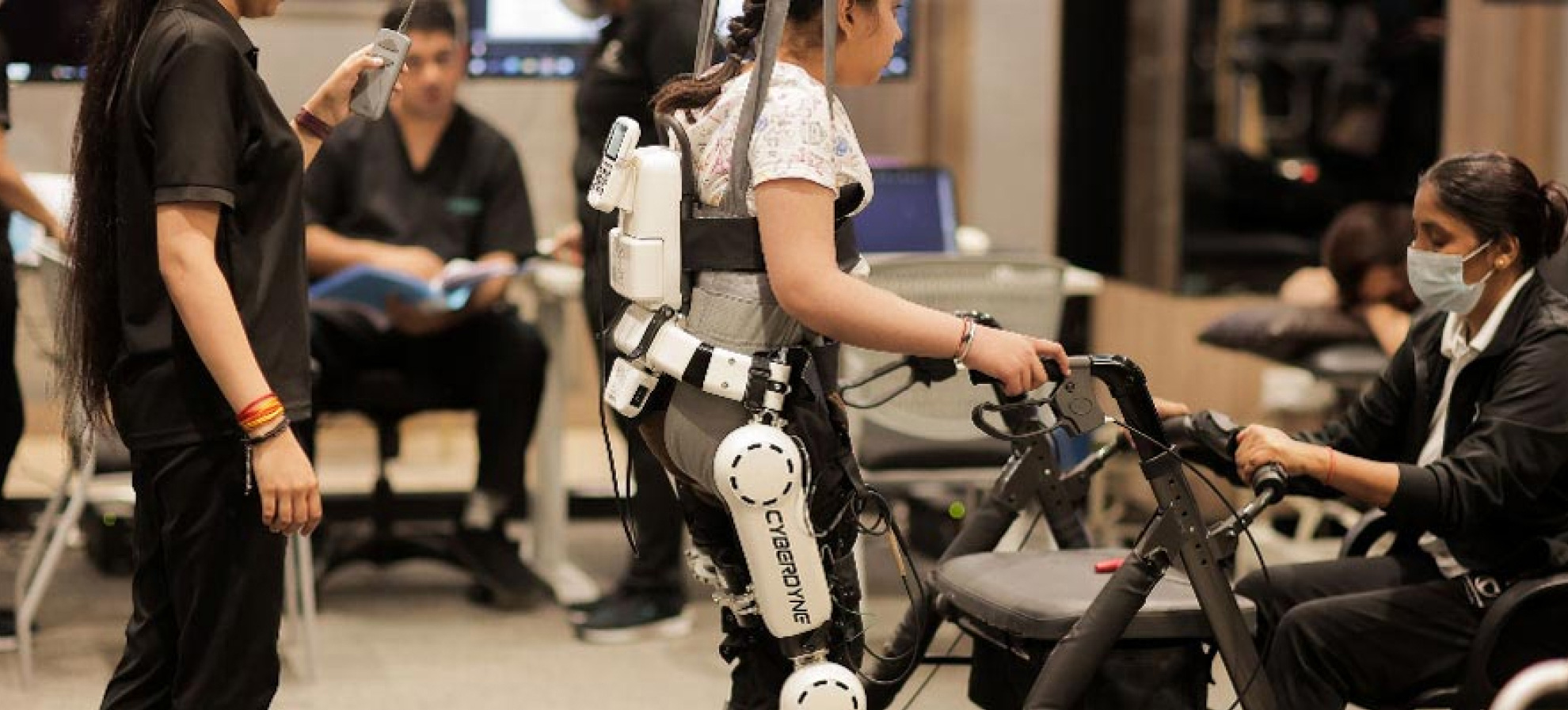
- Cyberdyne HAL
- TYMO
- Hand of Hope
- PABLO
- Gait LAB
- LUNA
- Vibramoov
- VitalStim
- Syrebo
- rTMS
- Chattanooga
- Cyber Trunk
- xStep
Are you ready to manage your pain? Contact us at:
- Email: care@walkagain.sg
- Delhi: +91 99580 11121
- Bengaluru: +91 9035030626
- Hyderabad: +91 9035030626
- Muscat: +968 22 496007
- Malaysia: +606 235 4000