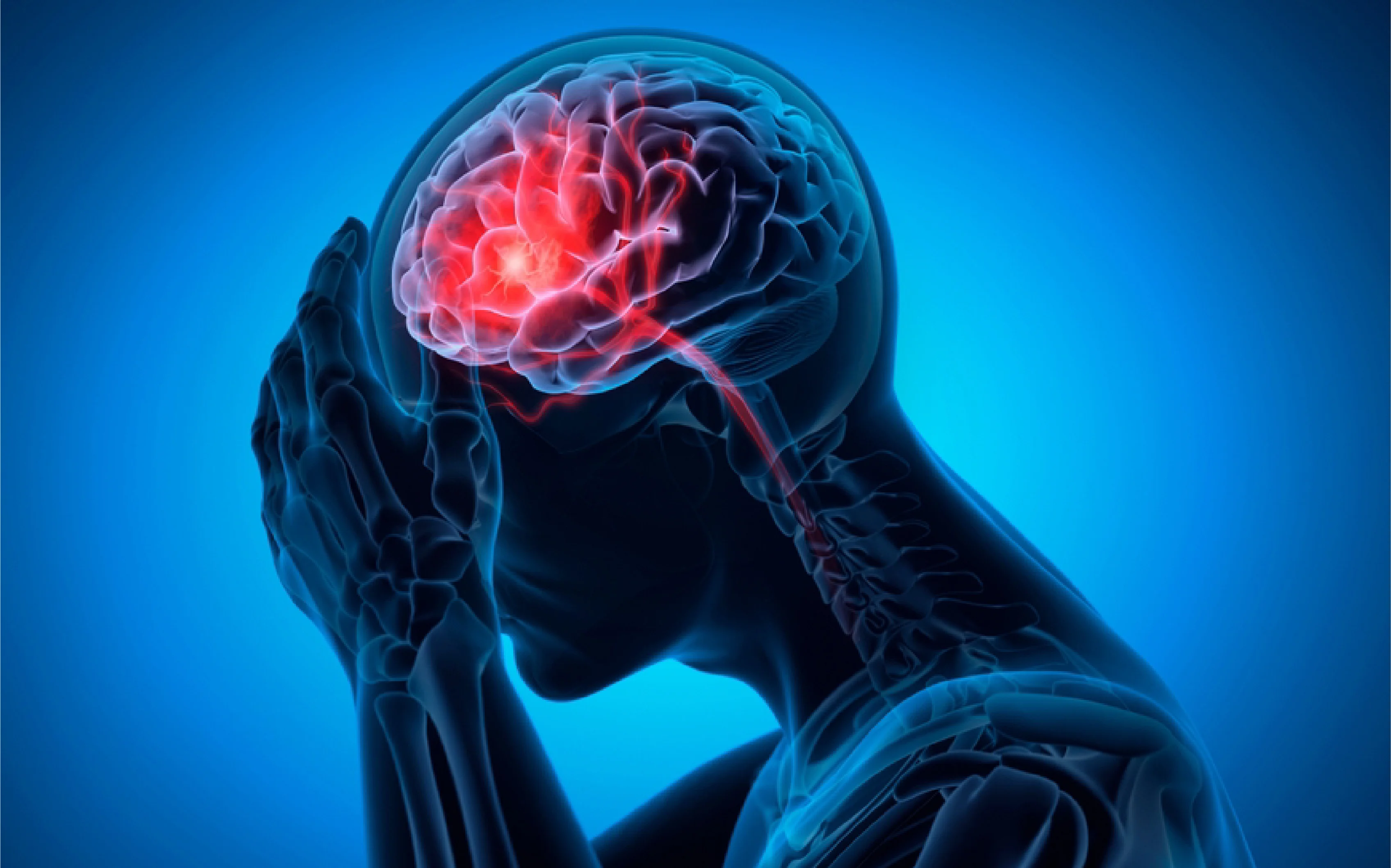
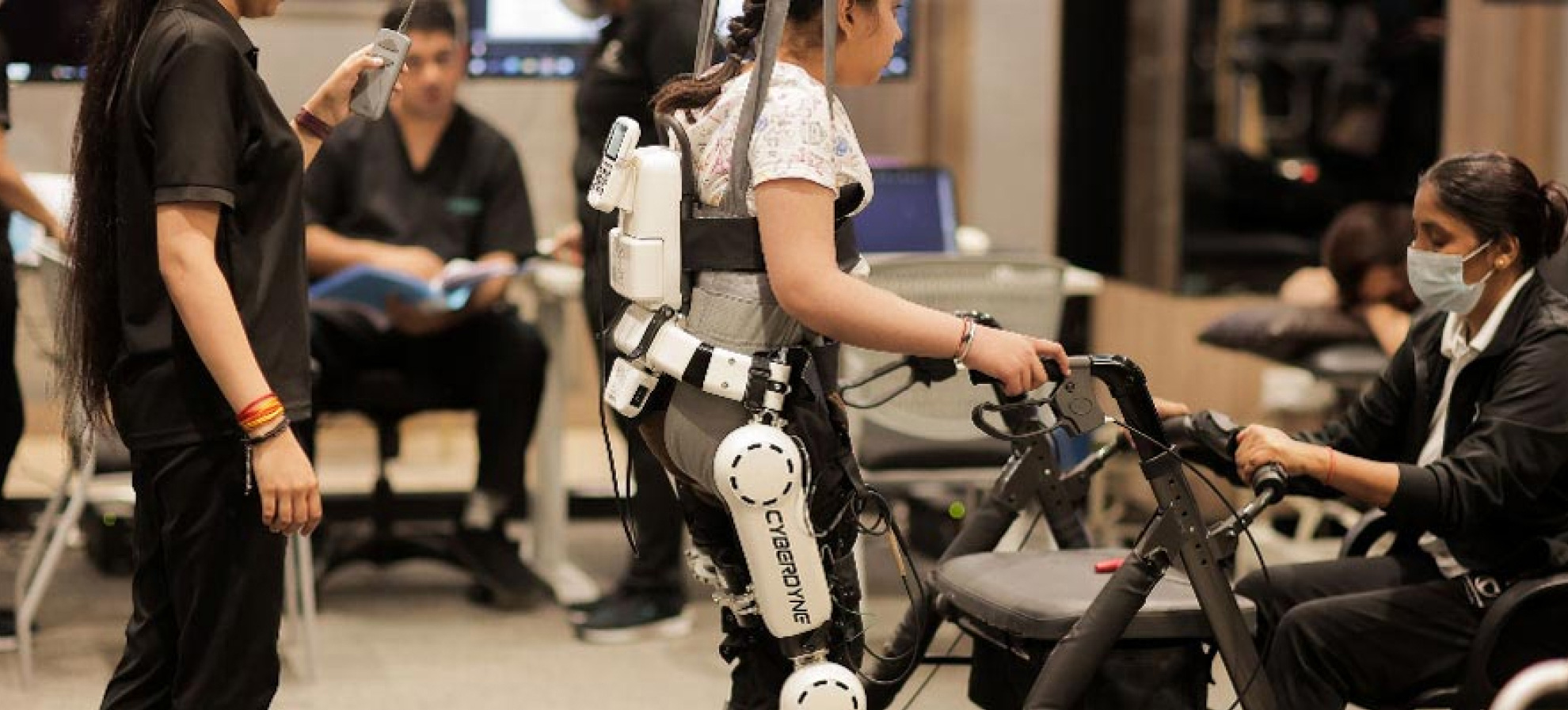
When a stroke happens (the blood supply to the brain’s part is blocked), it can lead to temporary or permanent disabilities; afterward, the complication can depend on:
- How long does the brain lack blood flow
- The part of the body is affected
Here are some lists of complications that a person can experience:
- Loss of muscle movement, called paralysis
- Trouble talking
- Difficult swallowing
- Memory loss or trouble thinking
- Trouble controlling their emotions
- Pain, numbness, or other unexplained feelings
- Changes in behavior and self-care
The best approach to prevent these complications is to timely recognize the stroke signs and take timely action.
Know These Stroke Signs For Timely Action
Call your doctor immediately if you notice the following early signs of stroke.
1. Drooping of Face
- How it May Feel
- Droop on one or both sides of the face, or the smile looks uneven.
- Why this Happens
- The blood flow to the part of the brain controlling facial muscles might be blocked or bleeding.
2. Weakness in the Arm
- How it May Feel
- When raising both arms, one arm may feel weak or heavy or drift down.
- Why this Happens
- The blood supply to the brain area that moves that arm, meaning muscle control, might be blocked.
3. Trouble in Speech
- How it May Feel
- Slurred speech or having trouble choosing the right words, using wrong words, or not comprehending simple sentences.
- Why this Happens
- The brain’s language centers, which signal for forming or understanding words, could be damaged.
4. Unexplained Sudden Confusion
- How it May Feel
- The individual seems suddenly confused or agitated or unable to think clearly.
- Why this Happens
- There can be reduced or blocked blood flow to the thinking and memory or processing area of the brain.
5. Vision Loss or Blurriness
- How it May Feel
- Unexplained blurry vision or double vision (diplopia), or loss of sight in one or both eyes.
- Why this Happens
- Vision pathways, or the brain's image-interpreting area, might be disrupted due to blocked blood flow.
6. Sudden Dizziness
- How it May Feel
- Dizziness or vertigo, feeling as if the room is spinning, or sudden falls.
- Why this Happens
- A stroke can hit balance centers, meaning vital brain regions for movement can be at acute risk.
7. Difficulty in Walking
- How it May Feel
- Sudden clumsiness or inability to walk straight.
- Why this Happens
- The brain is unable to properly control leg muscles or body position due to loss of blood supply.
8. Sudden Extreme Headache
- How it May Feel
- Unexplained, very intense, “worst-ever” headache.
- Why this Happens
- The blood vessel in the brain bursts and bleeds (hemorrhagic stroke). This is a medical emergency.
9. Numbness or Weakness on One Side
- How it May Feel
- Sudden unexplained weakness of the face, arm, or leg on one side of the body.
- Why this Happens
- Stroke generally affects one side of the brain, so the other side of the body loses normal nerve signals. This signals an active loss of brain cells.
10. Trouble Understanding What Others are Saying
- How it May Feel
- The individual faces difficulty following simple instructions or understanding everyday, usual conversation.
- Why this Happens
- This may signal damage to comprehension areas in the brain that stop normal decoding of speech. This can indicate that critical language networks are being injured.
11. Brief, Stroke‑like Episodes (TIA)
- How it May Feel
- Sometimes known as a mini-stroke. These can feel like stroke‑like symptoms that appear and then completely resolve within minutes to an hour.
- Why this Happens
- A short‑lived blockage might have occurred and cleared. This same process can cause a full stroke soon; hence, consult your doctor.
12. Easy to Remember Action Rule (FAST)
- How it May Feel: If you feel FAST, meaning:
- F – Face drooping
- A – Arm weakness
- S – Speech trouble
- T – Time to call the emergency number.
- What to do
- Contact for help immediately, because every second matters during a stroke attack.
What are the Risk Factors of Stroke
Here are some of the risk factors:
- Age above 65
- Smoking
- Use other forms of tobacco or nicotine (like vaping)
- Use recreational or nonprescription drugs
- Chronic alcohol abuse
- COVID-19
- High bad cholesterol
- Type II diabetes
- Frequent episodes of migraine headaches
- High blood pressure
Brain Clot Symptoms
- Sudden Weakness
- Unexplained Numbness
- Speech Issues
- Vision Issues
- Severe Headache
- Trouble Balancing
- Confusion
- Seizures
What are Stroke Treatment Options
The treatment depends first on the type of stroke (ischemic due to a clot or hemorrhagic due to bleeding) and how quickly the individual reaches the nearby hospital.
Some of the treatment options are:
Dissolve clots in ischemic stroke; Control Bleeding in hemorrhagic stroke.
2. Long-Term Management or Prevention
Blood thinners and other medicines to avoid new clots and manage risk factors.
3. Stroke Rehabilitation
This can include:
- Physical Therapy: To restore strength, balance, and mobility.
- Occupational Therapy: To gain independence in performing daily tasks.
- Speech Therapy: Relearning speaking, swallowing, and communication skills.
Cost Of Stroke Rehabilitation
The cost may vary in India due to factors like
- Type of Care
- Location
- Intensity & Duration
- Services Used
- Technology
- Indirect Costs
- Testimonial
- Best Stroke centre
The cost may range between ~₹4,600 and ₹18,500 per session.
Best Stroke Rehabilitation Centre Near Me | Walk Again
Walk Again is known as one of the best stroke rehabilitation centers in India because we offer comprehensive care for multiple health conditions, such as:
- Stroke
- SCI (Spinal Cord Injury)
- Traumatic Brain Injury (TBI)
- Cerebral Palsy (CP)
- Chronic Pain
- Muscular Dystrophy
- Multiple Sclerosis (MS)
- Movement Disorders
- Motor Neuron Disease (MND)
- Speech and Swallowing Disorders
- Autism Spectrum Disorder (ASD)
- Alzheimer’s Disease
Our Experts:
- Dr. Vikas Gupta.
- Dr. Sachin Kandhari
- Dr. Dewaker Sharma
Our Advanced technologies:
- Brain Computer Interface (BCI): Decodes brain signals directly, bypassing muscle or nerve functions.
- Cyber trunk: Sitting balance training.
Read the patient success stories here.
Ready to maximize post-stroke recovery effectively? Contact Walk Again at:
- Email: care@walkagain.sg
- Delhi: +91 99580 11121
- Bengaluru: +91 9035030626
- Hyderabad: +91 9035030626
- Muscat: +968 22 496007
- Malaysia: +606 235 4000
Book Physiotherapy Session
According to multiple research studies, early interventions and ongoing multidisciplinary care significantly help recovery from stroke.
This article was prepared by the Walk Again and Rehabilitation Team, a trusted healthcare provider in diagnosing and managing neurological conditions, including stroke. Every article is medically reviewed to ensure reliability and clinical accuracy.