Early Signs of Autism in Children: What Parents Should Look For

Blog

Early Signs of Autism in Children: What Parents Should Look For

Millions of patients worldwide struggle every year with the long and laborious process of rehabilitation after such disorders.

Autism spectrum disorder (ASD) is the full medical name for autism, leading to a neurodevelopmental condition. Autism is a difference in how a child’s brain works that causes them to behave and socialize in different ways.

Is Autism a Disease?

Autism isn't a disease. However, it is a lifelong neurodevelopmental condition that causes a child to experience the world, learn, and socialize differently.

Healthcare providers do not try to “cure” it because it's not a disease. With autism, the goal isn’t a cure. Instead, doctors find methods to help the child make the most of their strengths while managing any daily challenges they face.

What Causes Autism?

There has not been a single reason behind this. However, experts say that it’s likely a combination of genetics and certain things associated with pregnancy, labor, and delivery.

A child may be more likely to be autistic in the following conditions:

  • Pregnancy above 35 years of age.
  • Getting pregnant within 12 months of having another baby.
  • Having gestational diabetes or bleeding during pregnancy.
  • Taking certain medications, such as valproate, during pregnancy.
  • Smaller-than-expected fetal size.
  • A decrease in oxygen to the fetus during pregnancy or delivery.
  • Earlier delivery than expected.

What are the Early Signs of Autism in Children

Here are the early signs or symptoms that a parent can notice:

1. Disturbed Social Interaction

Limited Eye Contact

  • The child may dodge looking at the eyes during talks or play. This makes bonding feel distant, as they seem uninterested in faces.​

Rarely Smiling or Not Responding to Their Name

  • There is no grin at familiar faces or turning when called. This can lead to one-sided interactions where the kid ignores social cues.

2. Delay in Communication

Absence of Babbling or Gestures by 12 Months

  • There can be no cooing, pointing, or waving. This hinders early language sharing and causes frustration in expressing needs.​

Limited or No Words by 16-24 Months

  • Limited speech or two-word phrases. This leads to silent play or pointing instead of talking about wants.

3. Repeated Behaviors

Hand-Flapping or Toe-Walking

  • They can do repetitive body movements, such as flapping their hands when excited. This can create a rhythmic but unusual motion pattern.​

Lining Up Toys in an Obsessive Manner

  • The child may arrange playing objects or toys in strict rows. They can ignore play, focusing solely on patterns over imaginative use.

4. Intense Sensory Sensitivities

They May Overreact to Sounds or Lights

  • They can be seen covering their ears at normal noises or avoiding bright areas. This can overwhelm the child and cause meltdowns.​

Focus on Spinning Objects Very Intensely

  • Stares at wheels or fans endlessly. This can tune out people or their surroundings completely.

At What Age Can You See the First Signs of Autism?

Many children show signs and symptoms of autism by 12 months to 18 months of age or earlier.

Some early signs of autism include:

  • Avoid eye contact.
  • Difficulty with nonverbal communication.
  • No response to their name.
  • Difficulty following another person's gaze or pointed finger to an object (or "joint attention").
  • Inadequate skills in pretend play and imitation.

Is There Any Cure for Autism

There is no cure for autism spectrum disorder. And there is no one-size-fits-all treatment. The doctor provides comprehensive treatment that supports the child's learning, development, and behavior.

Comprehensive Autism Treatment

The best time to begin therapy for Autism is as early as possible, ideally before age 3, to benefit your child in the long run.

Here are some treatment options:

  • Behavioral Therapies (ABA)
  • Pivotal Response Training (PRT)
  • Early Start Denver Model (ESDM)
  • Speech & Language Therapy
  • Occupational Therapy (OT)
  • Physical Therapy (PT)
  • Educational Approaches
  • Medication
  • Diet & Nutrition
  • Psychological Support

Why Early Intervention at Ages 2-5 is Effective

Because:

  • The child has better brain plasticity, i,e. Formation of new neural pathways.
  • Reduces developmental delays.
  • Encourage critical life skills such as speech, social interaction, and emotional regulation.
  • Build a foundation for a more independent life.

Neurological Rehabilitation for Autism in Delhi | Walk Again, Delhi

Walk Again is known as one of the autism rehabilitation centers in India

We offer:

  • Tech-driven, neuro-targeted interventions
  • Reactivate and strengthen damaged neural circuits
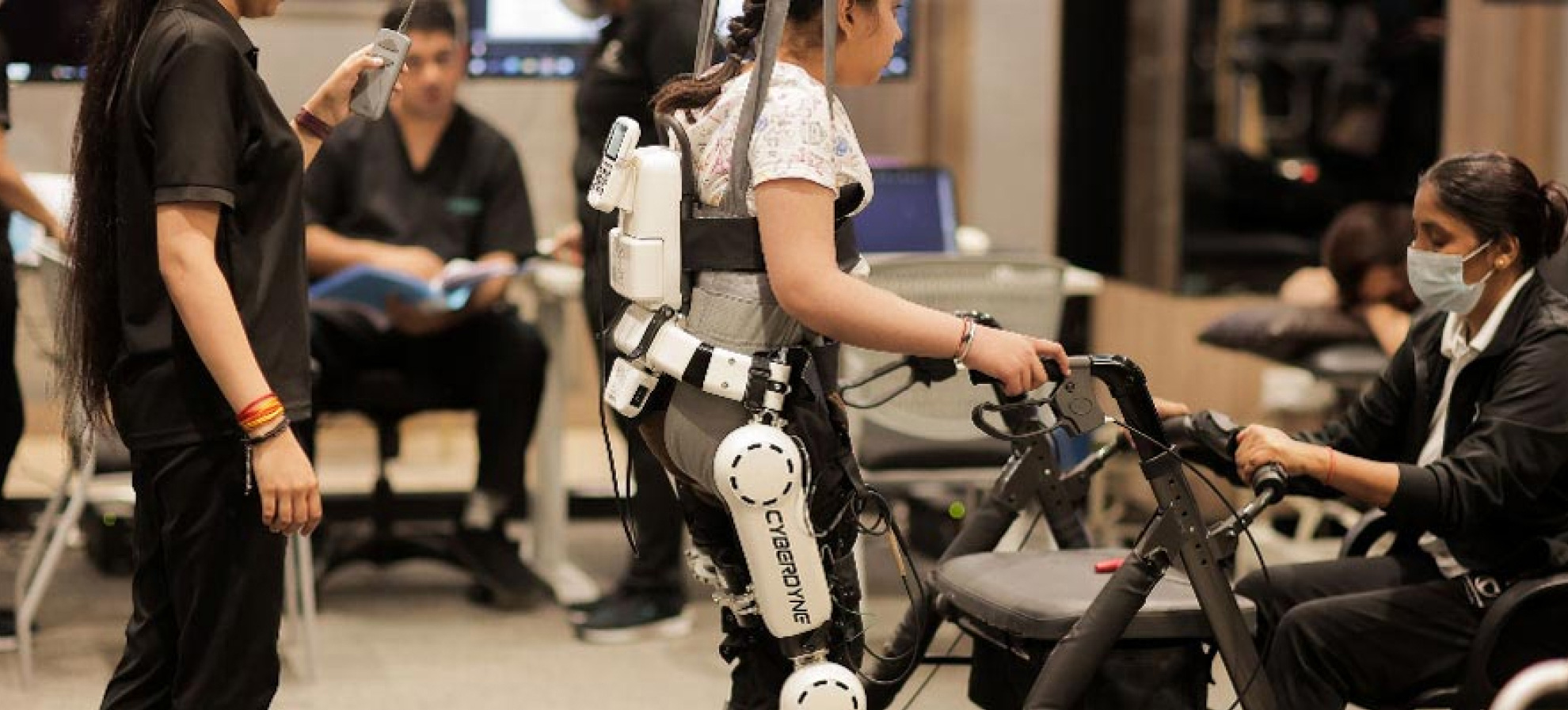
  • Make use of Robotics, Brain-Machine Interface, and FES
  • Promotes continuous improvement with measurable outcomes

Looking for the best Autism treatment in India

Start your child's recovery journey with a child-friendly environment. Connect with our team. We will assist you in every way possible. 

Call +91 903503 0623.

Watch the success stories of patients with other neurological disorders.

Middle Cerebral Artery (MCA) Stroke Right Side: Paralysis & Weakness |Walk Again Neuro Rehab Delhi
Spinal Cord Injury Recovery | Story of Overcoming Paralysis & Walking Again | IBS Hospital Delhi

This article was prepared by the Walk Again and Rehabilitation Team, a trusted healthcare provider in diagnosing and managing neurological conditions. Every article is medically reviewed to ensure reliability and clinical accuracy.

This article is for educational purposes only and is for the diagnosis or suggestion of treatment for Autism in Children. For accurate information, contact your child’s doctor only.