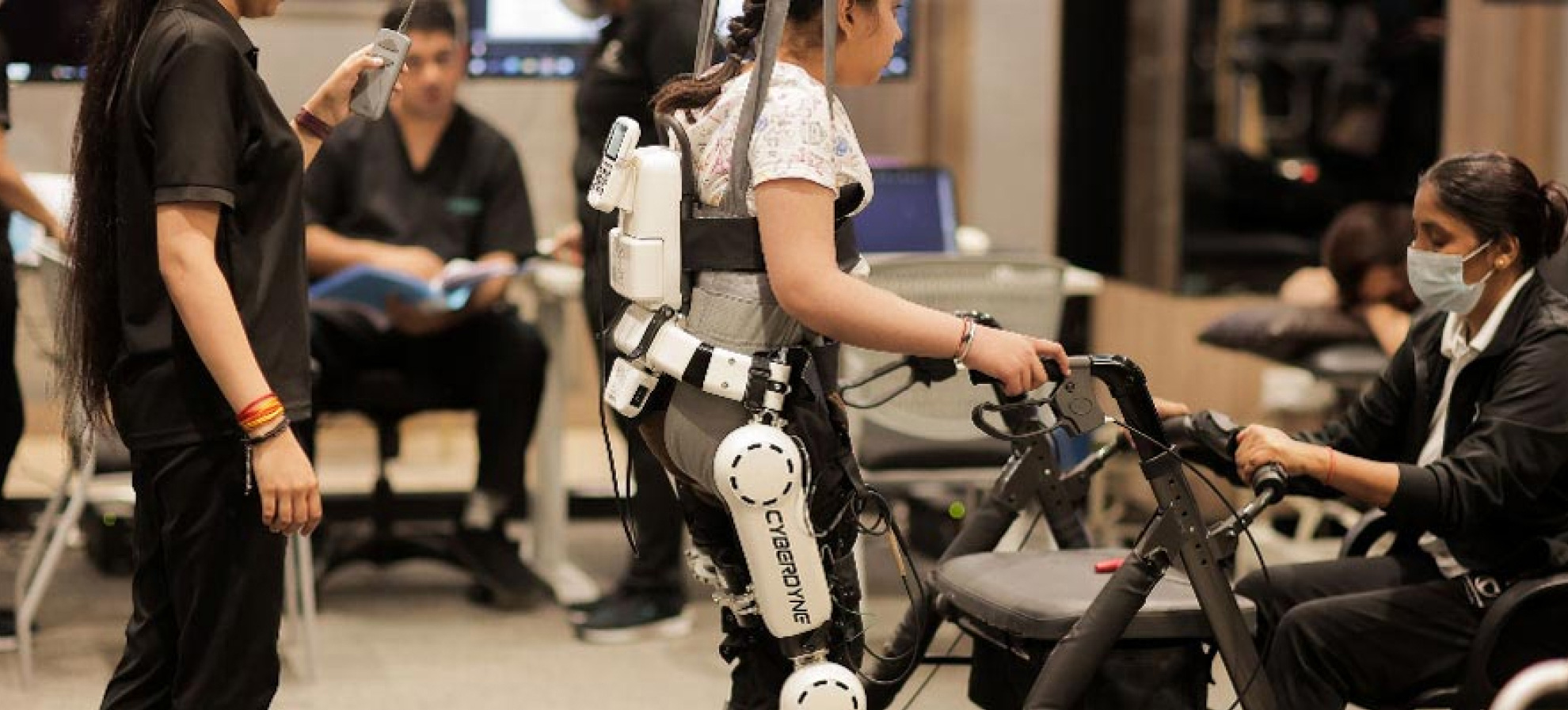
Millions of patients worldwide struggle every year with the long and laborious process of rehabilitation after such disorders.
Book an Appointment
Call Us +91 9958011121A stroke is a medical emergency. It occurs when something (a blood clot) prevents your brain from receiving an adequate blood flow.
There are 2 types of stroke:
There is one more type: a transient ischemic attack (TIA), also known as a “mini-stroke.” It is like a stroke; however, the effects are temporary. It can be an indication that an individual has a high chance of getting hit with a real stroke.
If you notice any person experiencing “FAST,” the following symptoms, seek immediate attention:
There are many reasons for a stroke, as per the category.
The effect depends on the type and severity of the stroke; some of the impacts are:
The emergency treatment of stroke may involve tPA (tissue plasminogen activator), surgical procedures to remove a large clot for ischemic stroke, and surgery and medications to help control bleeding for hemorrhagic stroke.
But for long-term benefits, stroke rehabilitation, such as cognitive rehab, occupational therapy, physiotherapy or physical therapy, speech therapy, etc., is an important part of stroke treatment at the best rehabilitation centers like Walk Again.
Let's explore the benefits of physiotherapy for stroke patients.
Physical therapy provides the following benefits to the individual after a stroke.
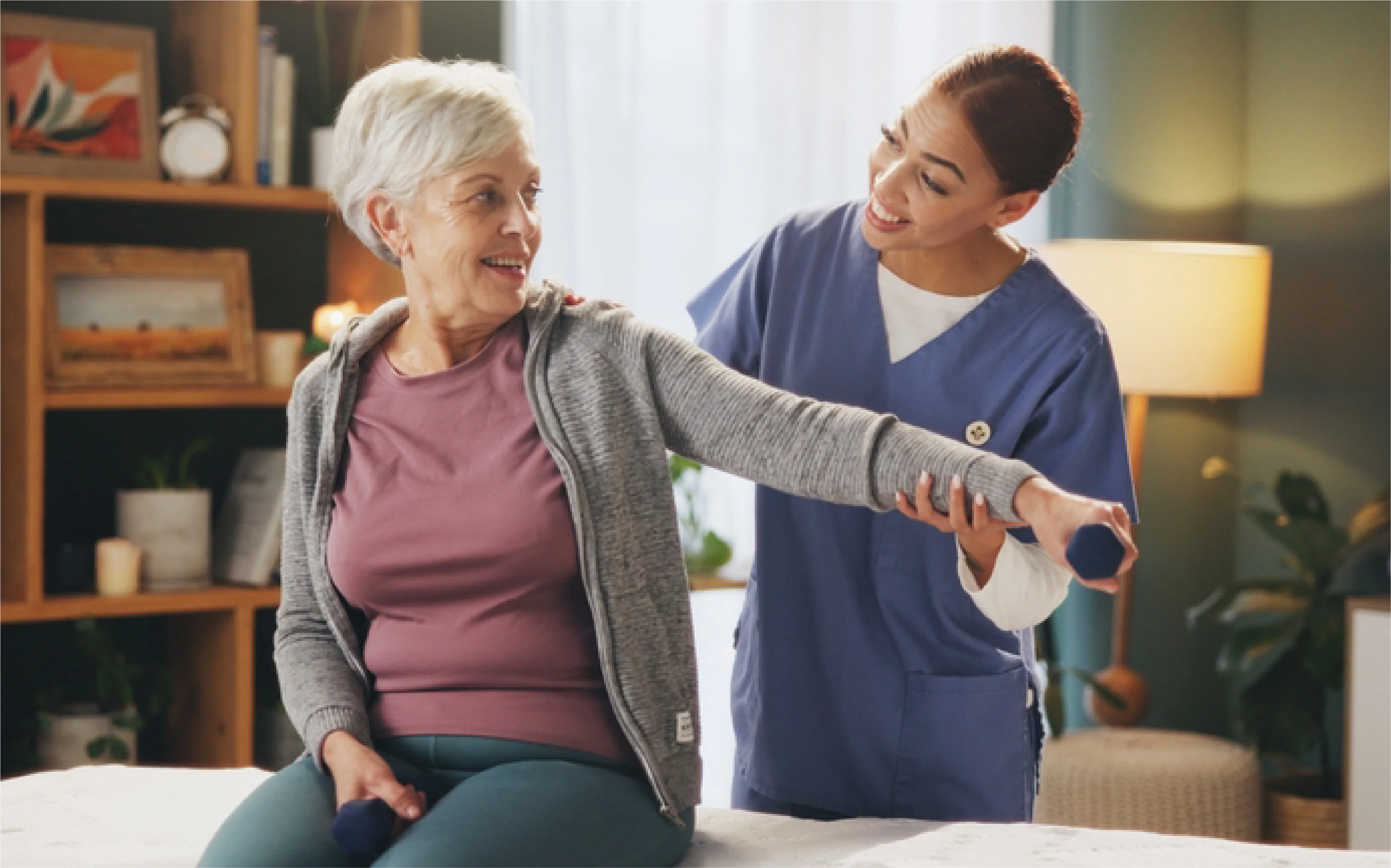
Physiotherapy helps individuals after a stroke regain movement by retraining the brain and muscles to work in sync. Exercises help trigger motor pathways for better walking and arm use.
It helps rebuild strength in weakened muscles and avoid muscle wasting (atrophy) caused by immobility.
Physical therapy under a professional at Walk Again trains the brain to control movements more effortlessly by repetitive practice and developing better hand-eye coordination.
Physiotherapy supports stroke survivors in performing self-care activities such as dressing and bathing by improving mobility and strength. This helps improve their confidence, reduce reliance on others, and develop a positive outlook towards life.
Physiotherapy uses techniques like stretching, positioning, and movement to relax stiff muscles because of abnormal nerve signals. This reduces pain and makes movements smoother.
They help prevent other secondary complications like bedsores, joint stiffness, and muscle contractures due to prolonged immobility.
Balancing physical exercises lowers the risk of falls by helping individuals maintain postural control via better sensory and motor integration.
Positive results achieved through physiotherapy lift mood and lower anxiety. This promotes mental well-being side by side with physical healing.
There is no single technique that is best; the effective outcome is achieved through a comprehensive approach.
Here are some of the effective exercises targeting different body parts.
Ideally, physiotherapy for stroke patients can be started as soon as the patient is medically stable, usually within 24 to 48 hours after the stroke. This maximizes recovery by triggering brain plasticity and avoiding complications from immobility.
Walk Again is known as one of the best stroke rehabilitation centers in India because we offer comprehensive care for multiple health conditions, such as:
Read the patient success stories here.
Ready to maximize post-stroke recovery effectively? Contact Walk Again at:
According to multiple research studies, early interventions and ongoing multidisciplinary care significantly help recovery from stroke.
This article was prepared by the Walk Again and Rehabilitation Team, a trusted healthcare provider in diagnosing and managing neurological conditions, including stroke. Every article is medically reviewed to ensure reliability and clinical accuracy.