Millions of patients worldwide struggle every year with the long and laborious process of rehabilitation after such disorders.
Book an Appointment
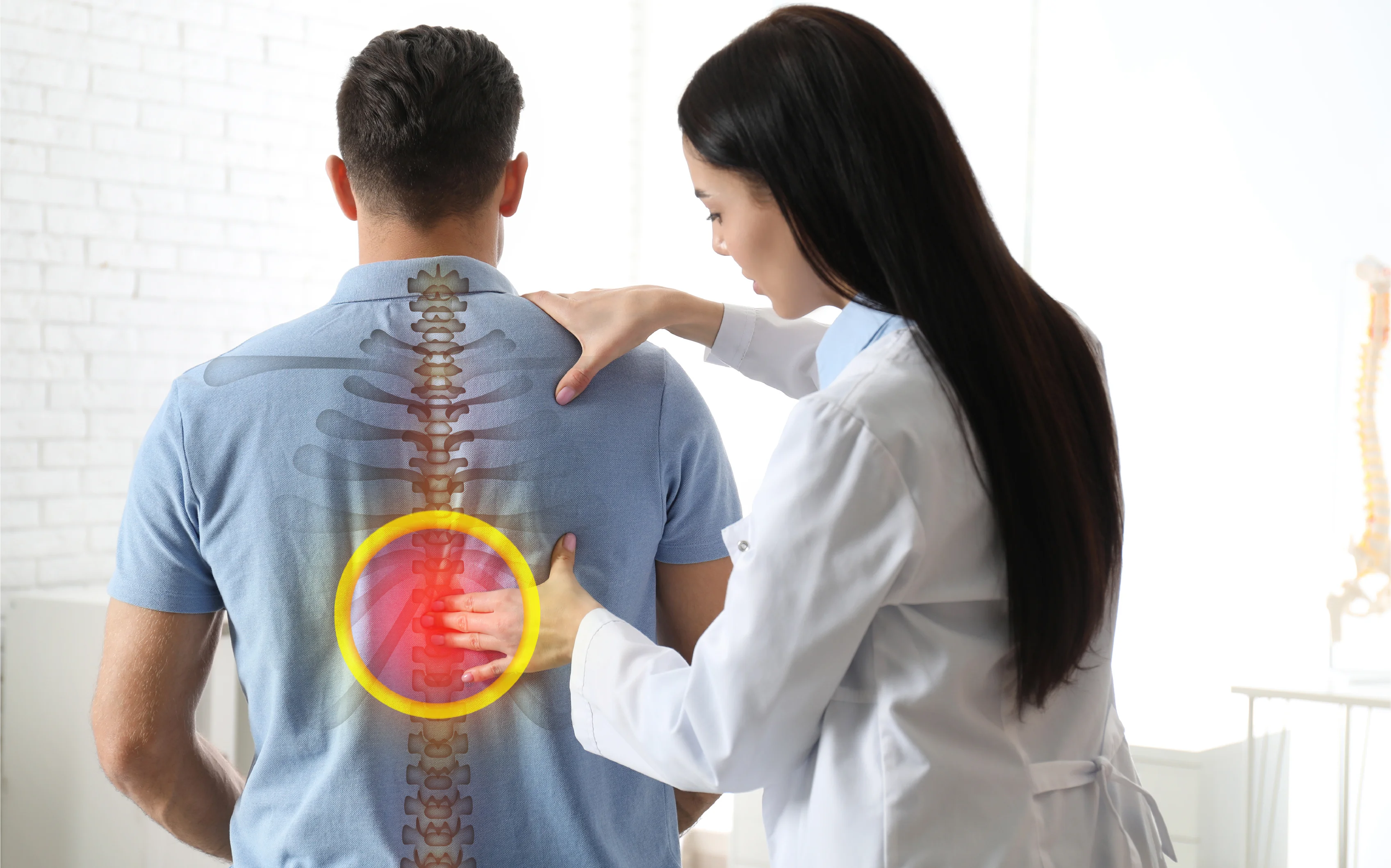
Call Us +91 9958011121Spinal cord injuries involve damage to your spinal cord (a thick bundle of nerve fibers allowing your brain to share information with other nerves in your body). Damage to the spinal cord can lead to loss of sensation, movement, or bodily functions below the injury site.
The cause of spinal cord injury may include traumatic events such as car accidents, falls (especially in older adults), and sports injuries, or non-traumatic factors such as infections, tumors, arthritis, and other factors.
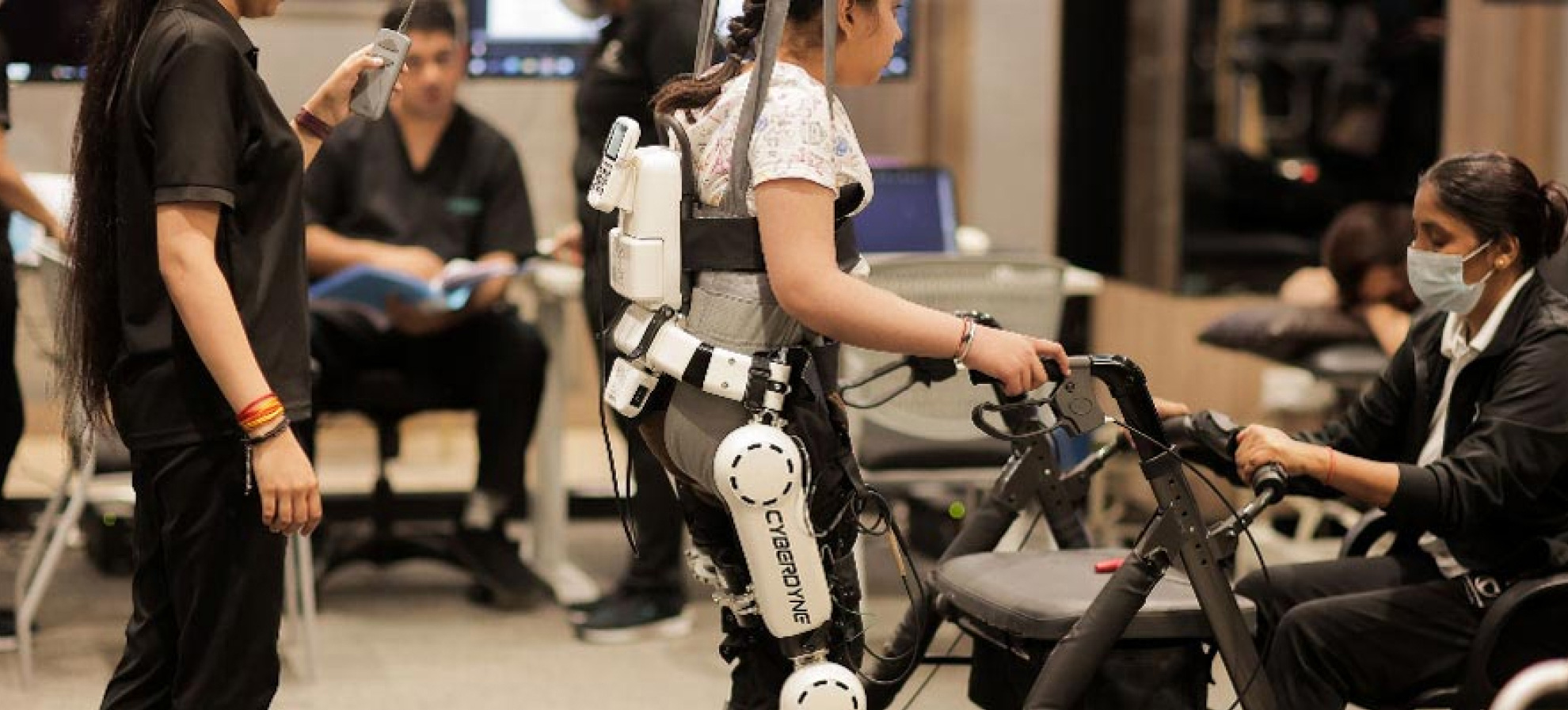
Recovery from spinal cord injuries (SCI) is possible, but the outcome may vary depending on the type (complete vs. incomplete), severity of injury, and other individual factors. Treatment for SCI at Walk Again comes with advanced technology like Cyberdyne's FDA-approved Hybrid Assistive Limb (HAL®) and other holistic care. The therapy is focused on restoring function using neurological assessments, gait training with assistive tech, energy management, and targeted exercises.
Our experts, like Dr. Sachin Kandhari, with 20 years of experience, are known to provide optimal recovery via neuroplasticity and neuroregeneration techniques.
Contact Us Now for Advanced Stroke Rehabilitation
There are mainly two types of SCI:
In this, the spinal cord is still able to deliver some messages to or from the brain. still Individual have some feeling, function, and muscle control below the injury site.
In this, there is no nerve communication below the injury site. Individuals lose muscle control, feeling, or function below the injury site.
SCIs can lead to severe complications such as:
Recovery from spinal cord injury may vary depending on severity, type, site of injury, starting early intervention, intensive rehabilitation, advanced technology like Cyberdyne's FDA-approved Hybrid Assistive Limb (HAL®), patient's age and overall health, adherence to rehabilitation methods, and other individual factors.
Here are the Key Rehabilitation Therapies:
This training involves the use of body-weight support, treadmills, and robotics. This helps relearn walking, focusing on improving posture and movement.
ABT involves repetitive, task-specific movements in a standing position. This helps promote neuroplasticity and prevent secondary complications (muscle atrophy or pressure sores) from prolonged sitting.
Spinal cord rehabilitation exercises may include:
These therapies focus on strength, balance, and daily living skills. This triggers new neural connections for long-term independence.
It acts as a digital bridge that connects brain signals to spinal cord stimulation via implanted electrodes and wireless tech. This helps enable affected individuals to stand and walk.
Stimulates nerves to trigger muscle contractions and activity. This helps improve function, often in conjunction with therapies.
There is no fixed timeline for recovery; it may take several months to years, or even a lifetime of management.
Recovery after spinal cord injury rehabilitation may look like:
Walk Again is known as one of the best spinal cord injury rehabilitation centers in India because we offer holistic care for optimal recovery from injury.
These Features Set Us Apart:
Our Experts:
Read the patient success stories here.
Ready to maximize post-stroke paralysis recovery effectively? Contact Walk Again at:
Q1: How do you treat a spinal cord injury?
A: The treatment may involve immobilization and stabilization, medication, intensive care, and rehabilitation (for long-term recovery)
Q2: What is the latest treatment for spinal cord injury?
A: Stem cell therapies (like MSCs) and neuromodulation devices, such as epidural and intraspinal stimulation, are some of the latest treatments for spinal cord injury.
Q3: What are the first signs of spinal cord recovery?
A: Restoration of sensation (light touch, temperature), muscle twitches or spasms, and improved reflexes are some of the first signs of spinal cord recovery.
Q4: Can you repair a damaged spinal cord?
A: There's no complete cure or reversal for a damaged spinal cord. But rehabilitation, under professional guidance, can help manage symptoms, help form new neural pathways, and prevent further injury to maximize function.