Millions of patients worldwide struggle every year with the long and laborious process of rehabilitation after such disorders.
Book an Appointment
Call Us +91 9958011121Long-term brain injury complications may include chronic headaches, memory loss, mood disorders, epilepsy, and increased risk of neurodegenerative diseases like Alzheimer's or Parkinson's. These can greatly impact your independence and daily life.
Head injury recovery, especially for moderate to severe injuries, requires a multidisciplinary care approach backed by a team of neurologists, therapists (physical, occupational, and speech), and psychologists.
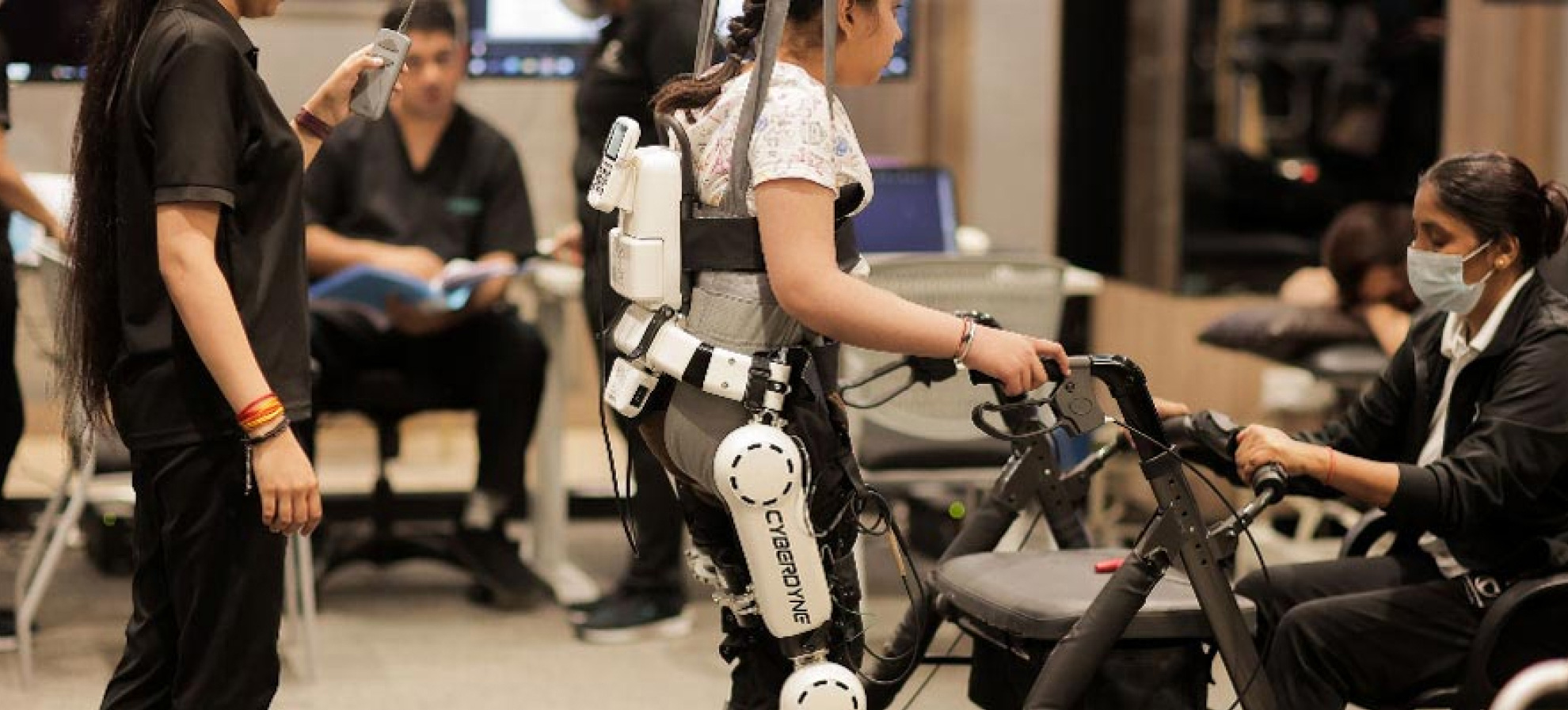
Complete recovery to pre-injury levels isn't guaranteed; however, with holistic care, significant recovery after a brain injury is possible. Traumatic brain injury at a rehab center like Walk Again comes with advanced technology like Robotic exoskeletons and gait-training devices that enable repetitive, precise movements. Our experts, like Dr. Dewaker Sharma, with 20 years of experience, personalize therapy protocols to promote motor recovery, cognitive function, and overall independence.
Contact Us Now for Brain Injury Rehabilitation
Experts at traumatic brain injury rehabs, like Walk Again, encourage timely rehabilitation to help achieve maximum benefits.
Traumatic Brain Injury: Modern Neuro Rehab Approaches for Healing
The recovery may depend on factors like:
The Goal: Restoration of activities of daily living skills. The head injury rehab treatment center starts acute rehab immediately following the injury.
The Goal: Regain independence through intense therapy.
The Goal: For an individual requiring extended, low-level therapy.
The Goal: Follow-up rehab after other stages to reinforce. The therapy focuses to develop further progress.
Yes, recovery from brain damage due to injury after therapy is possible due to neuroplasticity. Your brain reorganizes and forms new neural connections to compensate for or restore lost functions. All you need is to follow your doctor's advice for the maximum benefits.
There is no single best treatment for brain damage recovery, but the traumatic brain injury rehab center uses a multidisciplinary approach that offers optimal recovery benefits.
Focuses on restoring movement, strength, balance, memory, and attention and helps achieve a more independent life.
Focus on task-specific training and emotional regulation and promote the brain's ability to rewire.
These methods involve:
Walk Again provides a personalized post-traumatic brain injury rehabilitation program through a multidisciplinary team of neurologists and surgeons, focusing on symptom control and improving quality of life.
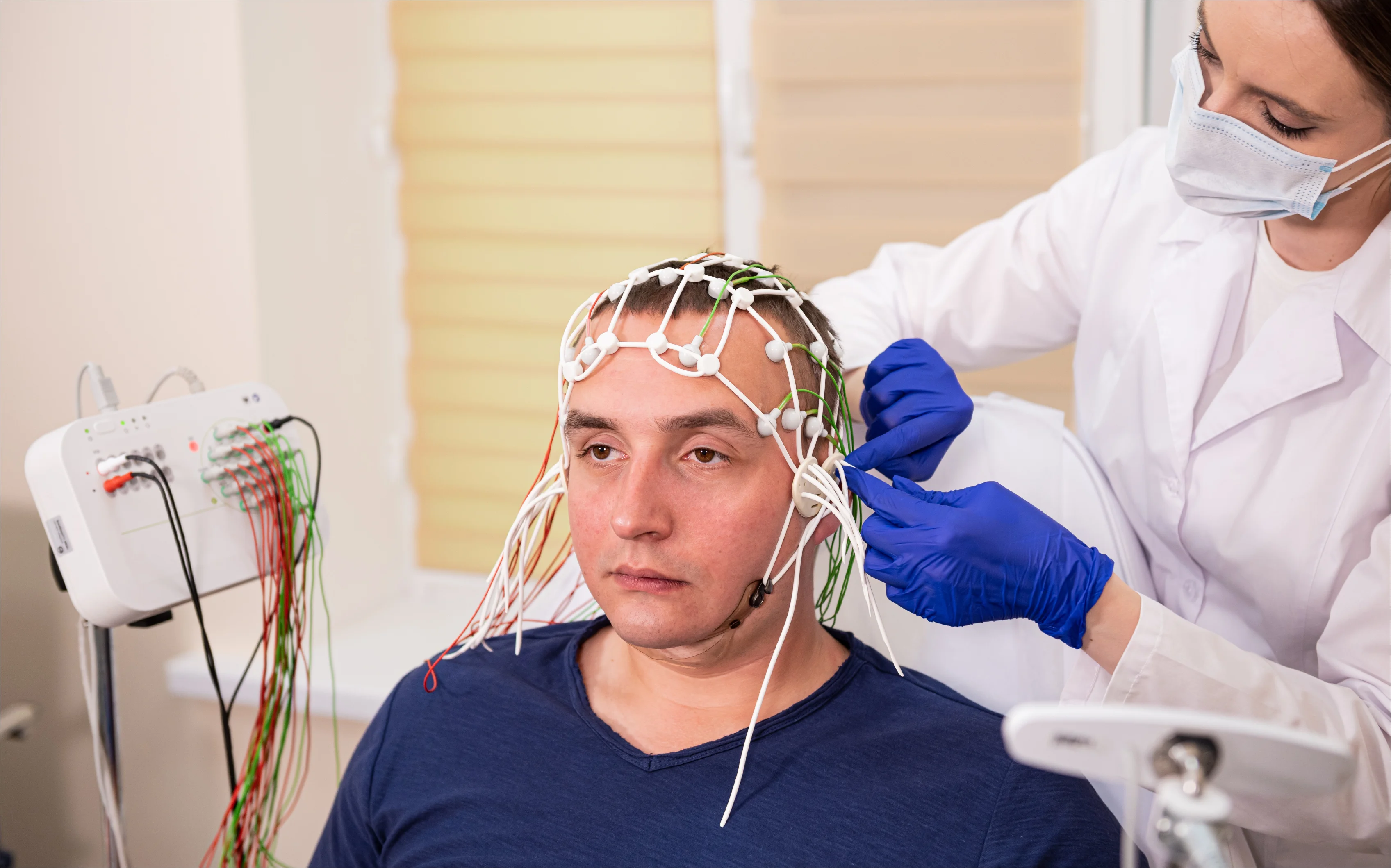
We are backed by tech-driven, neuro-targeted interventions and robotics and brain-machine interfaces for optimal symptom control. Our treatments are based on the core principle of “brain neuroplasticity,” the brain's ability to form new neural pathways around damaged brain areas.
These Features Set Us Apart:
Our Experts:
Read the patient success stories here.
Ready to maximize recovery after brain injury with advanced rehabilitation? Contact Walk Again at:
Q1: How to recover from a brain injury?
A: Recover from a brain injury involve immediate medical care for severe cases and adherence to extensive rehabilitation (physical, occupational, speech, cognitive therapy)
Q2: How long does it take to recover from a traumatic brain injury?
A: There is no fixed timeline; it may take years, even decades, depending on severity. However, with timely care and rehab, improvements often occur in the first 6-12 months.
Q3: What are the first signs of brain injury recovery?
A: Increases in responsiveness and awareness and proper sleep-wake cycles can be one of the first signs of brain injury recovery.
Q4: What is the best therapy for brain injury?
A: There's no single "best" treatment method for brain injury; recovery depends on a personalized, interdisciplinary approach and various other individual factors.
This content was prepared by the Walk Again and Rehabilitation Team, a trusted healthcare provider in diagnosing and managing neurological conditions, including stroke. Every article is medically reviewed to ensure reliability and clinical accuracy.
This content is for informational use only. Contact your doctor for the right brain injury-related care.