.webp)
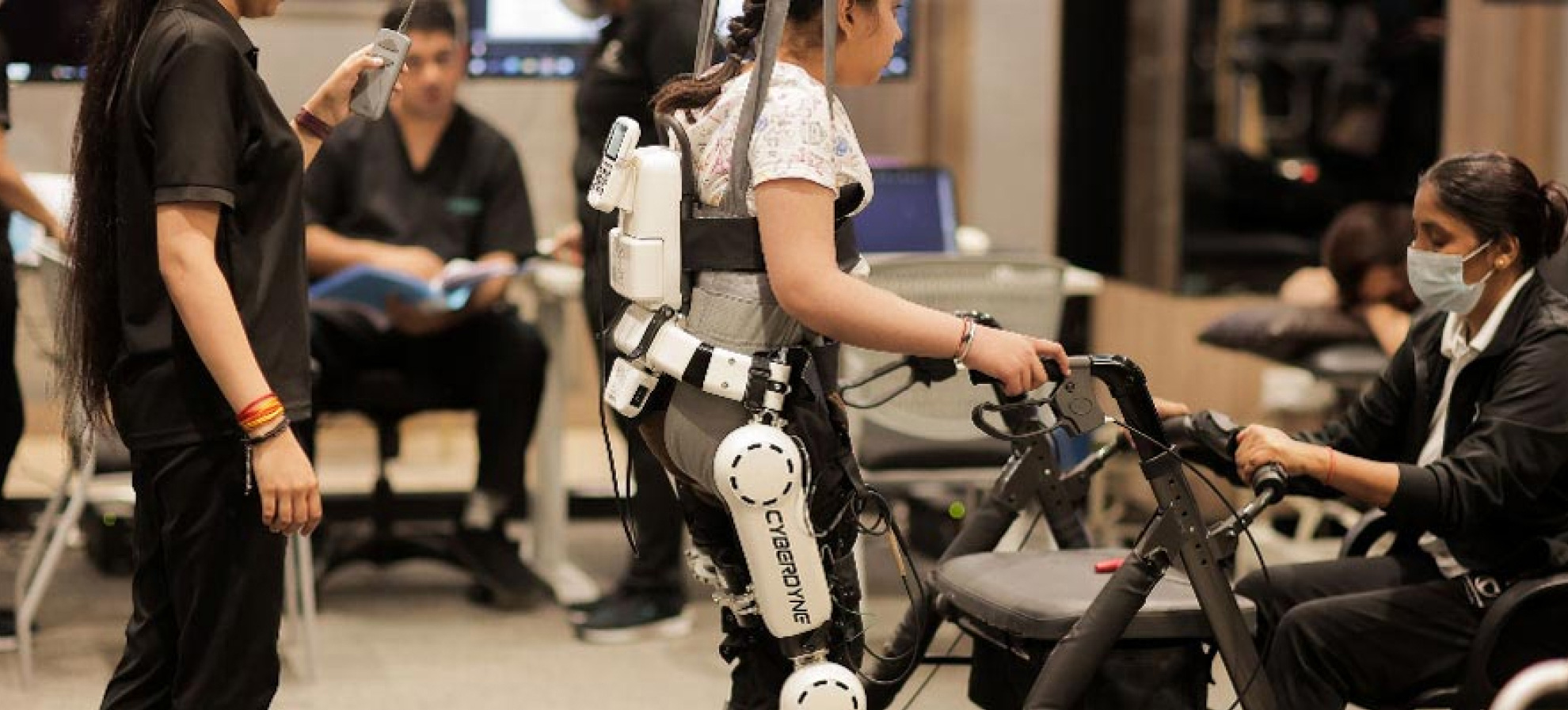
Millions of patients worldwide struggle every year with the long and laborious process of rehabilitation after such disorders.
Book an Appointment
Call Us +91 9958011121Due to persistent misconceptions, occupational therapy has been simply grouped with physical therapy because of their similarities. Physical therapists and occupational therapists may collaborate as part of a rehabilitation team, but their approaches, treatment goals, and techniques can differ.
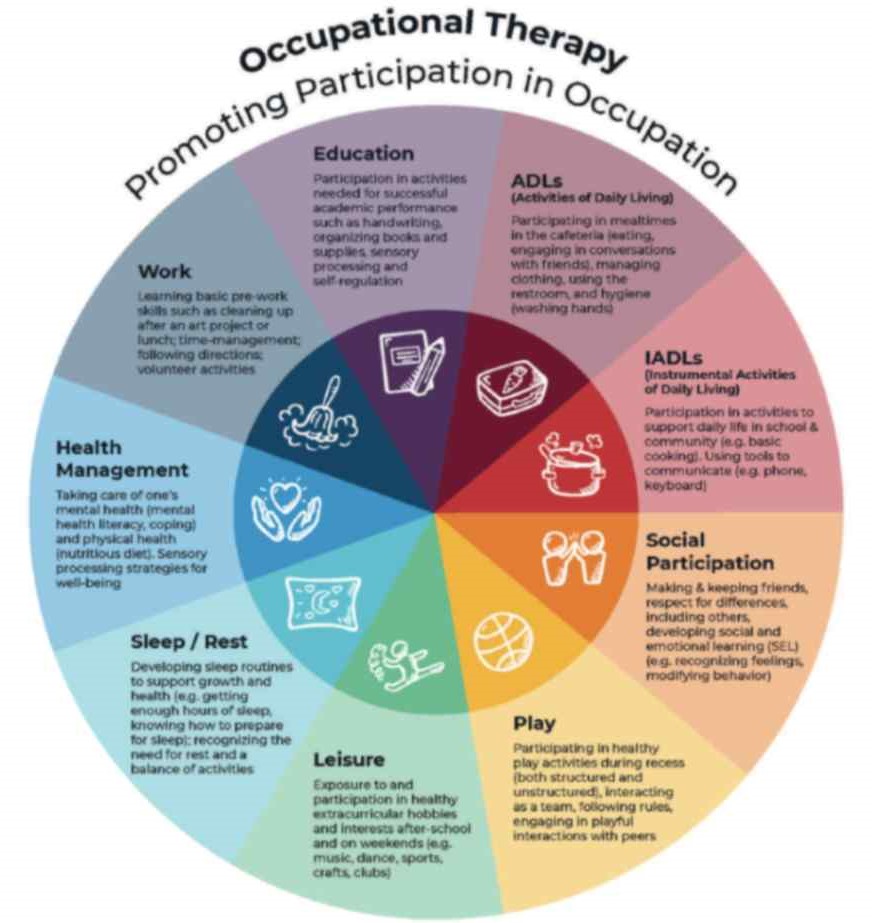
Occupational therapy aims to improve a person's capacity to perform activities of daily living (ADL), while physical therapy concentrates on improving gross motor capabilities, strength, balance, and overall motor skills.
Exercise is also a part of occupational therapy, although the focus is on assisting individuals in improving functional abilities like memory, organisation, problem-solving, following a routine, and social skills. This very idea is what makes occupational therapy such a transformative field of healthcare.
The goal of occupational therapy (OT) is to help you become more capable of carrying out everyday chores. It helps you relearn how to navigate your surroundings or use various tools to engage in your activities in a safe manner.
After an injury or trauma, you may require OT. Occupational therapy is advised for some individuals to treat the symptoms of a long-term, chronic illness or disability.
The goal of occupational therapy is to help people live as independently as possible. Although occupational therapy is sometimes used to help people return to work following an injury, it does not always refer to your capacity to work or perform your job duties.
The term "occupation" is used broadly by providers to refer to any of your daily activities. A medical professional who will ensure your safety and support throughout your therapy sessions is your occupational therapist.
Occupational therapy services are designed to address physical, cognitive, and emotional challenges that may affect a person's ability to participate in everyday activities independently.
Read Also: Rehabilitation Centres In Delhi And India: Everything You Need To Know
You can move your body more safely or effectively with the help of physical therapy and occupational therapy. The ultimate objective of each therapy is where they differ. The main goal of occupational therapy is to help patients become more independent and better able to perform daily chores. Its main goal is to assist you in safely doing all of your daily responsibilities and engaging in your favourite hobbies.
Physical therapy is typically required to increase a person's physical mobility or to treat particular health condition symptoms, such as pain and stiffness. You will engage in stretches or exercises in physical therapy to improve your flexibility and strength.
Physical treatment and occupational therapy can sometimes coexist, and you may require both at the same time.
Physical and occupational therapists work together when a person needs support with both physical recovery and everyday functional activities. Although they may have similar goals, their methods for enhancing your safety and health may differ.
Occupational therapy can play an important role in recovery after neurological conditions such as stroke and spinal cord injury. Learn more about occupational therapy for stroke and spinal cord injury recovery
Read Also: The Role Of Neurorehabilitation In Stroke Recovery
If you have an accident, illness, or impairment that interferes with your ability to perform your everyday activities, occupational therapy can help. Children may require paediatric occupational therapy, or OT tailored to the needs of younger patients. OT may be necessary when you're healing from a trauma or injury, such as:
Read Also: What is Advanced Neuro Rehab?
While ensuring you have all the tools you require, occupational therapy can assist you in achieving your movement and activity goals. It may be incorporated into a course of treatment that enhances your general mental and physical well-being.
Your therapist will put you in touch with any social or emotional resources you require in order to feel secure and supported in your daily life. Occupational therapy is generally safe and effective when performed under the guidance of a qualified occupational therapist.
Like any other physical activity, it also carries a slight risk of injury. Discuss appropriate ways to engage in your everyday routine with your therapist, particularly if you're attempting new or more difficult tasks at home or alone in between sessions.
Pushing your body and mind beyond your comfort zone or trying anything new can be challenging, especially at first. You may experience stress, fatigue, or tiredness during occupational therapy. Feelings like these are common and genuine.
Setting realistic expectations and goals will help. If something seems frightening, painful, or hazardous, let them know.
Read Also: What Is The Treatment Of Paralysis Attack?
Occupational therapy is performed in three stages:
Occupational therapy is a continuous, long, and time taking process. Finding the best therapies and interventions to help you reach your objectives will require time and adjustment. Talk openly with your occupational therapist about your objectives and the things you would like to do.
They will try their best to identify solutions to make you feel stronger and safer throughout the day while assisting you in achieving your goals and improving your overall quality of life.
Know how occupational therapy enhances daily life, boosts independence, and speeds up recovery from our expert neurologists—start your journey with Walk Again today! Book your appointment today!
Q1: How does occupational therapy differ from physical therapy?
A: While physical therapy focuses on improving movement and strength, occupational therapy helps individuals perform everyday tasks like dressing, eating, and writing.
Q2: What conditions are commonly treated with occupational therapy?
A: OT is used for stroke rehabilitation, arthritis, autism, spinal cord injuries, post-surgical recovery, cognitive impairments, and neurological disorders.
Q3: What is the role of occupational therapy in stroke recovery?
A: It aids in relearning daily tasks, improving hand-eye coordination, enhancing memory, and using adaptive tools to regain independence.